
A non-surgical, drug-free approach to treating bulging discs, herniated discs, nerve pressure, and disc-related back pain.
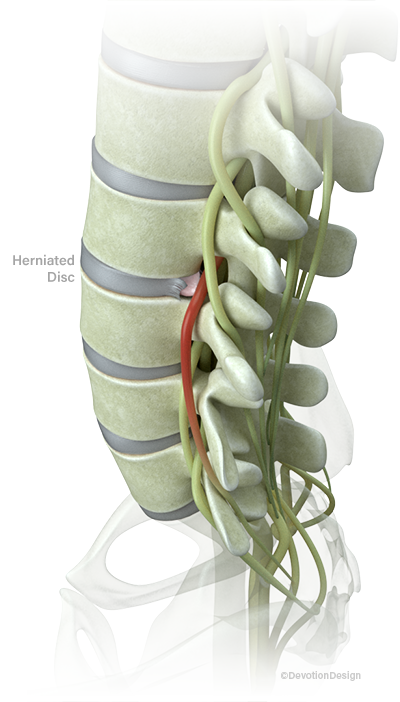
A herniated disc occurs when the soft, cushioning tissue between the vertebrae is injured, often from excessive strain, poor posture, repetitive stress, or trauma to the spine. This condition can lead to significant discomfort, including localized back pain, nerve irritation, or radiating pain into other areas of the body.
Herniated discs most commonly occur in the lower back, but they can also develop in the neck. The location of the disc injury determines where symptoms may be felt. A lumbar herniated disc may cause pain into the buttocks, legs, or feet, while a cervical herniated disc may cause symptoms into the shoulders, arms, or hands.
A bulging disc, also called a disc protrusion, occurs when the outer portion of the spinal disc extends beyond its normal boundary. Unlike a herniated disc, the outer wall of the disc may remain intact, but the bulge can still place pressure on nearby nerves and cause pain, stiffness, or radiating symptoms.
Bulging discs may develop gradually from disc degeneration, poor posture, repetitive strain, or injury. If left untreated, a bulging disc can worsen over time and may progress into a herniated disc.
At RESTORE CHIROPRACTIC + HEALTH CENTER, Dr. Michael Tinkey provides non-invasive, drug-free treatment options for herniated and bulging discs in Louisville, Colorado. Treatment may include spinal decompression therapy, gentle chiropractic care, corrective rehabilitation, therapeutic exercise, and patient education.
Spinal decompression therapy is designed to gently reduce pressure on injured discs and irritated nerves. This may help improve disc spacing, reduce nerve compression, support movement of fluids and nutrients into the disc, and promote better spinal function.
If you are experiencing recurring back pain, radiating leg pain, neck pain, numbness, tingling, or have been diagnosed with a herniated or bulging disc, Dr. Tinkey and his team can help you explore conservative alternatives to surgery and long-term medication use.
Disc problems in the lower back can irritate or compress nearby nerves, including the sciatic nerve. When this happens, pain may travel from the lower back into the buttocks, hip, leg, or foot. Patients experiencing these symptoms may also benefit from visiting our sciatica pain treatment page for more information.
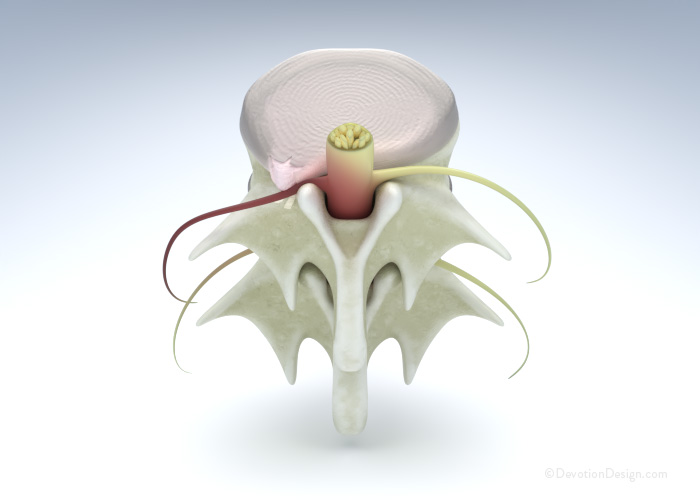
Pressure from the vertebrae can cause the gel-like center of a disc to push through a weakness in its outer wall. When a herniated disc occurs in the lower back, it can irritate or compress nerves that contribute to leg pain and sciatica symptoms.
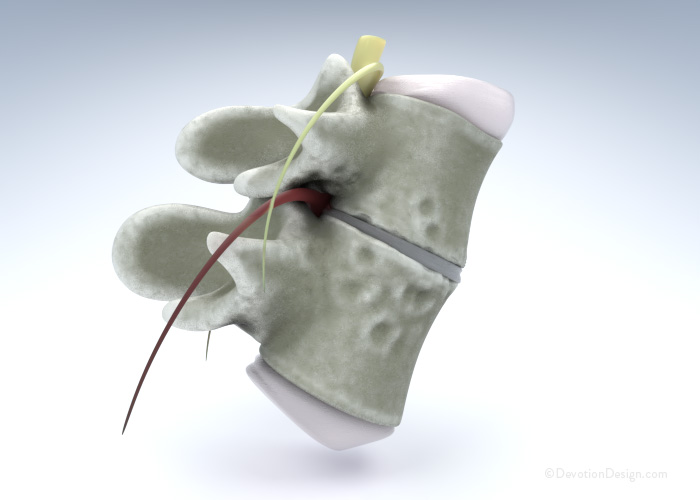
Degenerative disc disease is the gradual wearing down of the discs between the vertebrae. As discs lose height and hydration, nerve passageways may become smaller, increasing the risk of nerve pressure and chronic pain.
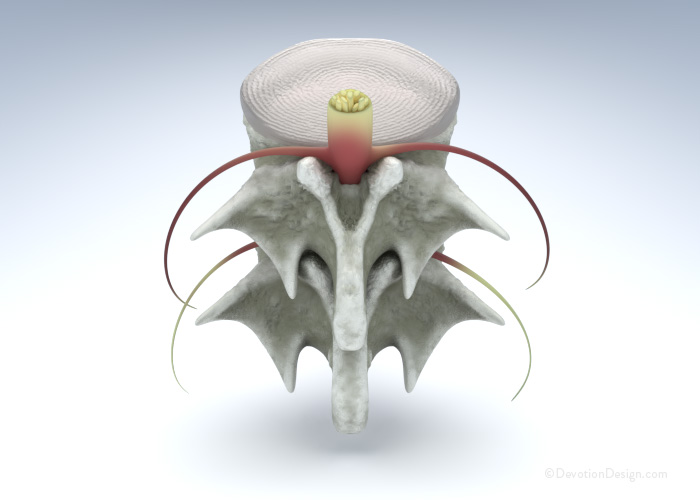
Spinal stenosis is the abnormal narrowing of the spinal canal. This narrowing reduces the available space for the spinal cord and nerves and may contribute to nerve compression, radiating pain, numbness, or weakness.
Treatable Conditions That May Lead to Disc-Related Nerve Pain
You may be a candidate for spinal decompression therapy and conservative disc treatment if you suffer from:
For patients with neck-related disc problems, Dr. Tinkey also provides care for cervical disc pain and nerve compression. Learn more about cervical disc treatment.
Stop Letting Disc Pain Control Your Life. Schedule a Consultation Today.